2.8L Automatic Pet Water Fountain: Fewer Refills
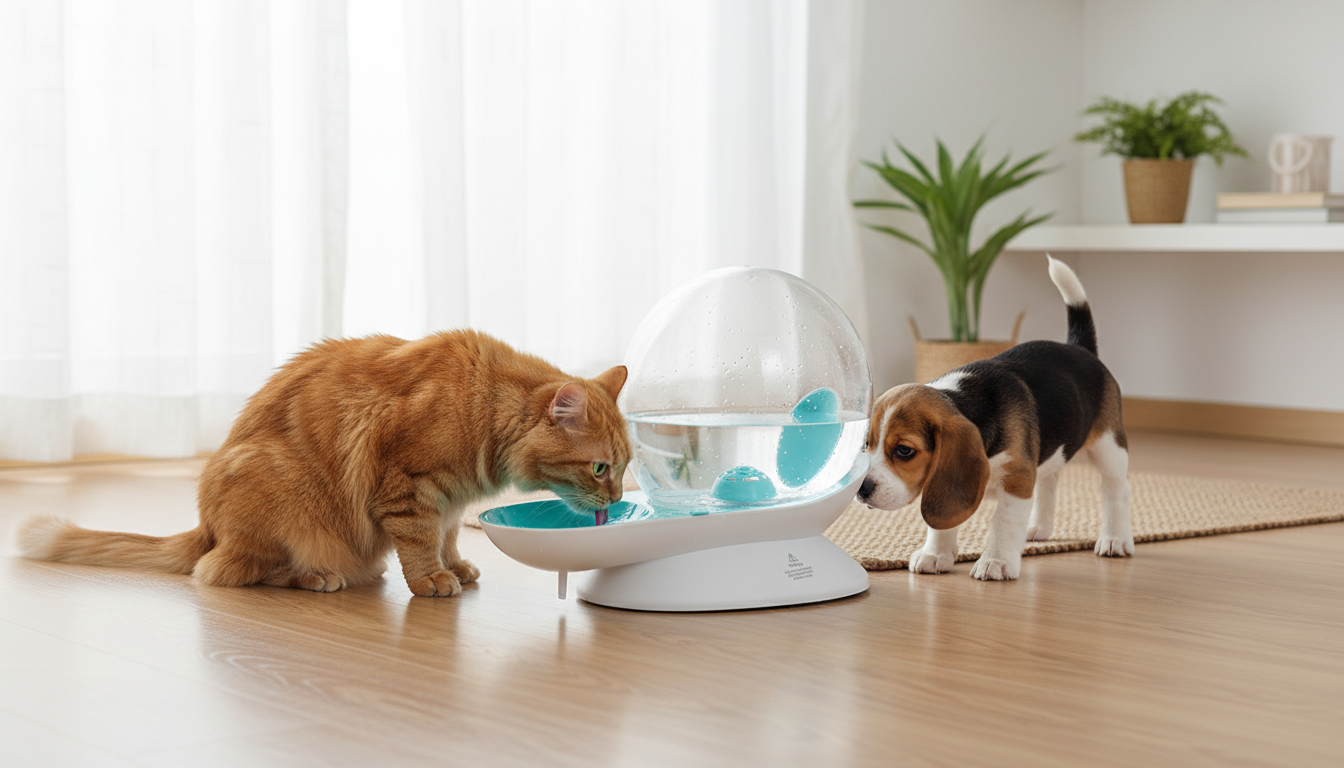
Why a flowing water fountain can help pets drink more
Many pets, especially cats, show more interest in water that moves. A gentle stream or circulating surface can feel “new” and noticeable compared with a still bowl that blends into the background. For cats that hover near a dripping faucet, a fountain often matches the kind of water they naturally investigate.
Circulation also helps reduce stagnation. When water sits for long periods, it can pick up odors, dust, and tiny debris—changes that sensitive pets may detect before humans do. Keeping water moving supports a fresher smell and taste between refills and cleanings.
Capacity matters, too. A larger reservoir can make it easier to keep water available day and night, even on busy weekdays. While a fountain isn’t a replacement for routine care, consistent access to clean water supports overall wellness alongside a balanced diet and regular veterinary guidance.
For general pet care and hydration context, see guidance from the American Veterinary Medical Association (AVMA) and cat-focused information from the Cornell Feline Health Center.
At a glance: what the 2.8L capacity means in real life
A 2.8-liter reservoir is designed to reduce refill frequency compared with small bowls, especially for single-pet homes or cats that drink moderate amounts. It’s also a practical size for multi-pet households—though exact refill timing still depends on room temperature, activity level, and whether your pet eats primarily dry or wet food.
Even with a higher-capacity tank, daily visual checks are important. A quick glance at the waterline helps confirm the fountain is running normally and the pump stays submerged.
Typical refill rhythm (illustrative)
| Household | Likely refill pattern | Notes |
|---|---|---|
| 1 cat | Every few days | Varies with wet-food diets and warm climates |
| 2 cats | Every 1–3 days | Consider extra monitoring during summer |
| 1 small dog | Every 1–3 days | Active dogs may empty faster |
| Cat + small dog | Often daily to every 2 days | Check water level morning and evening at first |
Key features to prioritize in an automatic pet water fountain
Not all fountains feel the same in day-to-day use. A few features tend to make the biggest difference once the novelty wears off and the fountain becomes part of a routine.
Reservoir size that fits your schedule
Bigger isn’t always better if water sits too long, but a 2.8L capacity typically hits a useful middle ground: fewer refills than a small dish, while still being manageable to empty and wash on a regular cleaning schedule.
Filtration and circulation
Filters help catch hair and debris and can keep water looking clearer between cleanings. Circulation supports fresher-tasting water and helps discourage the “stale bowl” effect. For best results, follow the filter replacement schedule recommended for your specific model—old filters can reduce flow and performance.
Noise level for nighttime comfort
Quiet operation matters if the fountain sits near a bedroom or if your cat startles easily. A calmer sound profile also makes it easier for pets to approach on their own terms during the first week.
Easy cleaning (the real deal-breaker)
A fountain only stays appealing if it’s cleaned. Designs that disassemble simply—and don’t trap grime in tight corners—make weekly upkeep more realistic. If cleaning feels like a chore, it’s easier to postpone, and water quality can slip.
Stability and spill control
A stable base helps prevent tip-overs, especially in homes with playful kittens or curious dogs. Sensible cord routing and a secure placement also reduce accidental tugging.
Where this 2.8L fountain fits: best use cases
The 2.8L Automatic Pet Water Fountain is a strong fit for households that want a dependable, higher-capacity water option without constant refilling. It’s especially useful in a few common scenarios:
- Cats that ignore bowls but love the faucet: A fountain can capture that same “fresh, moving water” interest without leaving a tap running.
- Busy weekday routines: A larger tank supports consistent access between refills, which helps when mornings get rushed or evenings run late.
- Multi-pet homes with shared water stations: Capacity helps, but early monitoring is still wise to learn your household’s true consumption.
- Primary or secondary hydration spot: Use it as the main station, or add it as a second water point—helpful in multi-level homes or far from sleeping areas.
Setup tips for smooth adoption
Cleaning and maintenance that keeps water tasting fresh
Product details and buying option
- Product: 2.8L Automatic Pet Water Fountain
- Price: $47.01 (USD)
- Availability: In stock
- Best for: Households that want fewer refills while keeping fresh, circulating water accessible for cats and small-to-medium dogs
For on-the-go routines that support hydration habits (walks, training, and daily outings), a practical add-on is the Dog Walking Waist Bag for Treats & Poop Bags, which helps keep essentials organized so water breaks and rewards are easier to manage.
FAQ
How often should an automatic pet water fountain be cleaned?
Do quick rinses and refills frequently, and plan a deeper wash about once a week (more often for multi-pet homes). Always clean the pump area and remove any biofilm so water stays fresh and flow stays consistent.
Is a 2.8L pet water fountain enough for two cats?
It’s often enough for multiple days, but the exact timing depends on drinking habits, diet (wet vs. dry), and temperature. Monitor the water level during the first week to learn your household’s refill rhythm.
Where should a pet water fountain be placed in the home?
Choose a quiet, low-traffic spot away from litter boxes, ideally on a stable surface with a waterproof mat underneath. Many cats also prefer water slightly separated from food, so a nearby—but not adjacent—location can work well.










Leave a comment