Sturdy Dog Car Hammock With Side Flaps for Cleaner Seats
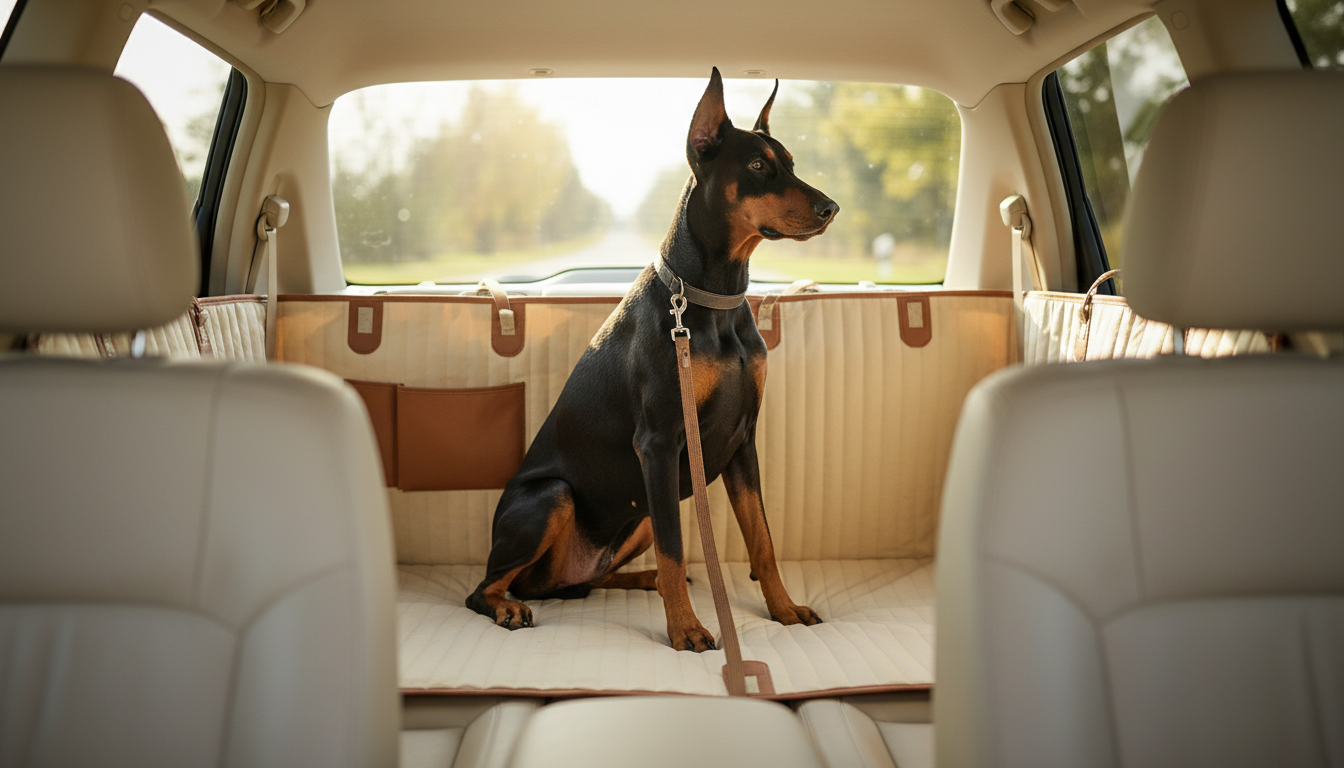
Sturdy Car Dog Hammock With Side Flaps: Cleaner Seats, Safer Rides
A well-built dog hammock can keep paws off upholstery, reduce sliding during stops, and make it easier for dogs to settle on longer rides. Side flaps add extra coverage where scratches and muddy prints usually happen—along door panels and the edge of the seat—while still leaving room for seat belts and passengers when needed. If your dog rides often (or your weekends include trails, beaches, and rain), a sturdy hammock can quickly become one of the most practical upgrades you make to your car.
What a Side-Flap Hammock Changes in Real-World Driving
A standard bench cover protects the seat surface, but it often leaves the “mess zone” untouched: door trim, seat bolsters, and the spot where a dog steps in and pivots. Side flaps change the entire setup by turning the back seat into a more contained space.
- Creates a back-seat “basket” that helps limit forward tumbling during braking and sharp turns
- Side flaps protect door panels and seat edges from claws, drool, and wet fur
- Helps reduce the gap between front and back seats so smaller dogs feel less exposed
- Encourages calmer behavior by giving dogs a defined resting area rather than an open bench
That “defined space” matters more than many people expect. When the footing feels predictable, dogs tend to brace less and shift around less—meaning fewer dirty streaks, fewer nail scuffs, and less distracting movement while driving.
Key Build Details That Make a Hammock Feel Truly Sturdy
“Sturdy” isn’t just thicker fabric. The best hammocks stay stable under weight, keep their shape at the sides, and don’t slowly loosen after a week of rides. When comparing options, focus on the parts that take daily stress.
- Reinforced stitching at stress points (strap joins, flap seams, and corners) to resist tearing
- Non-slip backing or textured underside to reduce bunching when dogs step in and turn around
- Strong headrest straps with reliable buckles that keep tension without slowly loosening
- Structured side flaps that stay up rather than collapsing when a dog leans on them
- A surface fabric that resists punctures and snagging from nails while remaining comfortable
If you want a ready-to-go option designed around these fundamentals, the Sturdy Car Dog Hammock With Side Flaps is built for full-coverage protection while keeping the back seat usable for everyday driving.
Fit and Compatibility Checklist (Before Ordering)
Even the toughest hammock won’t perform well if it’s the wrong shape for your car. A quick pre-check helps you avoid flaps that bunch near latches or a center panel that leaves exposed corners.
- Measure the back seat width and depth; confirm the hammock spans the seating area without leaving exposed corners
- Check headrest availability: most hammocks rely on front and rear headrest posts for stable anchoring
- Confirm access to seat belt buckles or LATCH areas if a harness tether or child seat may be used
- Consider door shape: side flaps work best when they can rest against the door trim without blocking latches
- For split-fold rear seats, look for designs that can be partially folded or adjusted without removing everything
Quick Guide to Choosing the Right Configuration
| Need | What to look for | Why it matters |
|---|---|---|
| Door and seat-edge protection | Wide, reinforced side flaps | Reduces scratches and grime on door panels and seat bolsters |
| Less sliding and bunching | Non-slip underside + tight headrest straps | Keeps footing stable when the dog steps in or shifts positions |
| Harness-friendly rides | Openings or access to belt buckles | Enables use of a crash-tested harness tether without fighting the cover |
| Easy cleanup after parks/beach | Water-resistant surface + wipeable finish | Cuts down on lingering odor and makes mud removal faster |
| Multiple passengers | Foldable or partially removable design | Allows a human passenger to sit while keeping some coverage in place |
Setup in Minutes: A Simple, Repeatable Routine
A hammock that’s installed evenly feels more secure to your dog and protects better, especially at the seat edges. Use the same routine each time so the cover sits flat and stays anchored.
For quick load-ins after walks, having essentials ready helps minimize muddy paw prints during the scramble. A compact option like the Dog Walking Waist Bag for Treats & Poop Bags keeps wipes, treats, and bags in one place so you’re not digging through the console while your dog steps in.
Keeping Dogs Safer in the Car (Beyond Seat Protection)
For additional guidance on safe car travel with dogs, see the American Kennel Club’s car safety tips. And because human seat belt habits set the tone for safety in any vehicle, the NHTSA seat belt resource is a helpful refresher for everyone in the car.
Cleaning and Care for Long-Term Durability
When a Side-Flap Hammock Is the Best Choice (and When It Isn’t)
FAQ
Do side flaps get in the way of closing the doors?
Properly sized flaps sit against the interior trim and shouldn’t interfere with closing. If they bunch near a latch, realign the cover and use any built-in fasteners; overly wide flaps can fold into the door seam, so fit and placement matter.
Can a dog ride safely in a hammock without a harness tether?
A hammock mainly protects seats and improves footing, but it doesn’t restrain the dog during sudden stops. For safer travel, pair the hammock with a properly fitted vehicle travel harness and a tether that connects through accessible seat belt points.
How can shedding and odor be reduced between washes?
Do frequent shake-outs, vacuum the seams and corners, and use a lint roller on the top layer for fast hair pickup. A quick wipe-down after rides (plus a small towel for wet paws before entry) helps keep odor from building up.







Leave a comment