How to Get Journal Prompts: Simple Ideas That Work
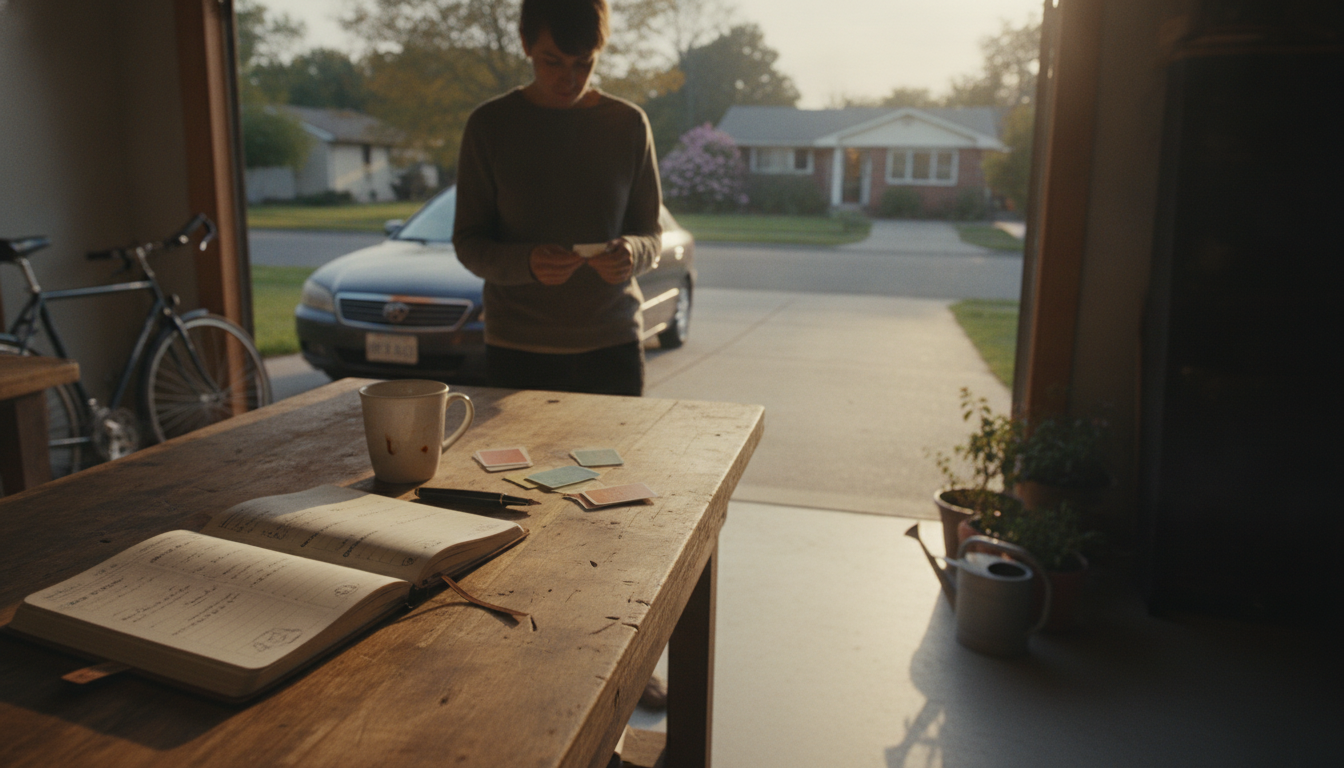
How to get journal prompts?
Getting journal prompts is easiest when you match the prompt source to your mood, schedule, and goals. Start with a simple check-in: pick one area of life you want to explore—stress, relationships, creativity, habits, or gratitude—then choose prompts that gently guide you instead of demanding a perfect answer.
One reliable method is to build a small “prompt menu” you can rotate through. Keep 3–5 categories and pull one question from each when you sit down to write. For example: (1) a feelings question, (2) a memory question, (3) a values question, (4) a forward-looking question, and (5) a tiny action step. This keeps journaling fresh while still feeling familiar.
You can also generate strong prompts from everyday moments. Use whatever is already in front of you:
- Your calendar: “What am I most nervous about this week, and why?”
- A recent reaction: “What did that situation remind me of?”
- A decision: “What would make this choice feel easier or clearer?”
- A compliment or critique: “What part of that feedback feels true?”
When you’re stuck, make the prompt smaller. Add constraints like “Write five sentences” or “List three reasons” to reduce pressure and increase follow-through. Another trick: turn a vague topic into a specific scene. Instead of “Write about anxiety,” try “Describe where anxiety shows up in my body and what it’s trying to protect.”
If you want a ready-to-use collection you can bookmark, use this guide for more ideas and prompt formats: How to get journal prompts.
For How to Get Journal Prompts: Simple Ideas That Work, the best answer depends on fit, material, care instructions, and how the product will be used day to day.
FAQ
What should I do if a journaling question feels too intense?
Soften it by writing in third person, setting a timer for 3 minutes, or answering only the easiest part. If it still feels overwhelming, switch to a neutral prompt like “What do I need today?” and return later when you feel steadier.










Leave a comment